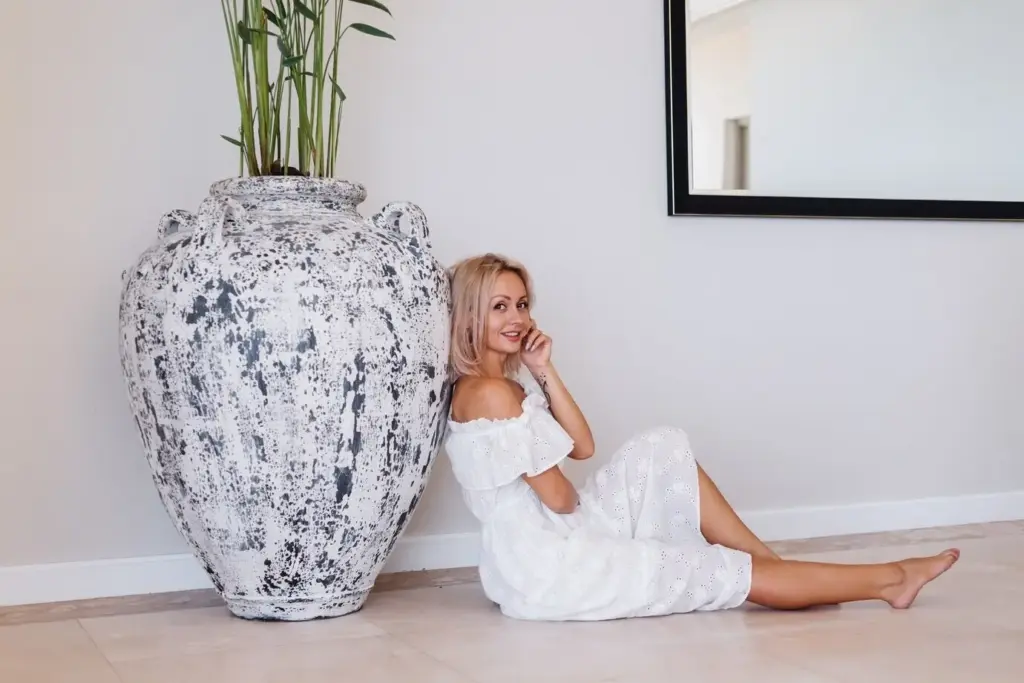

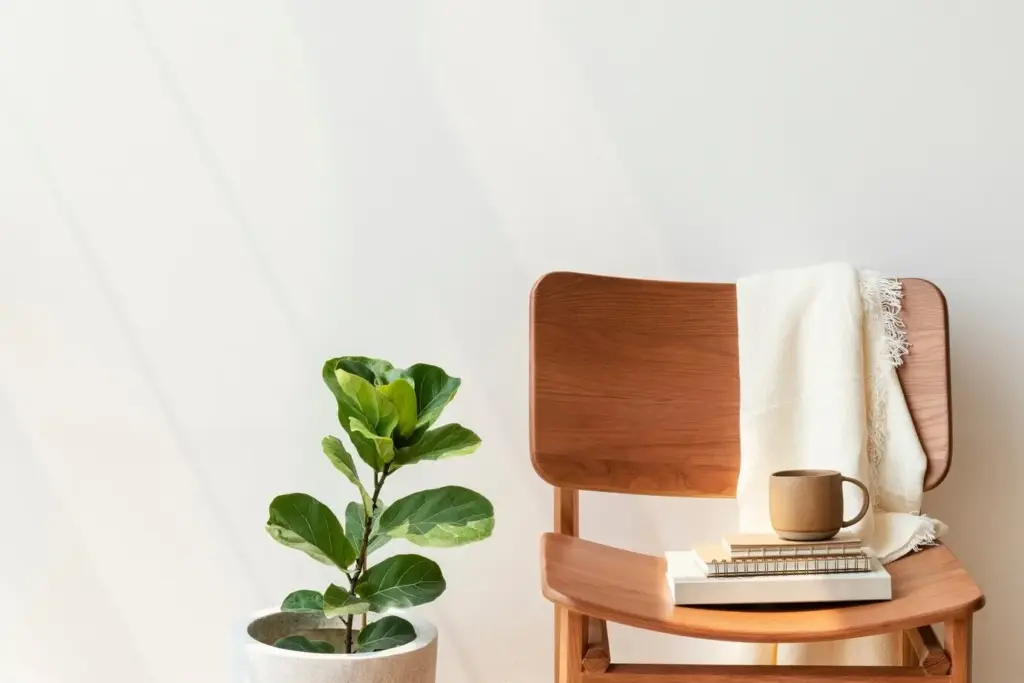
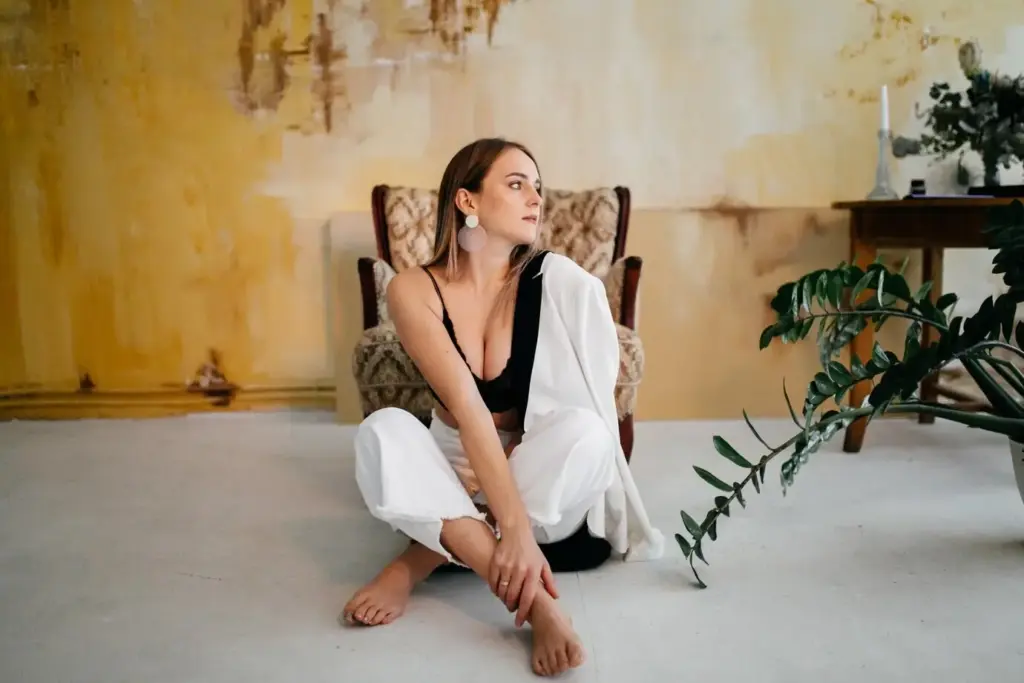
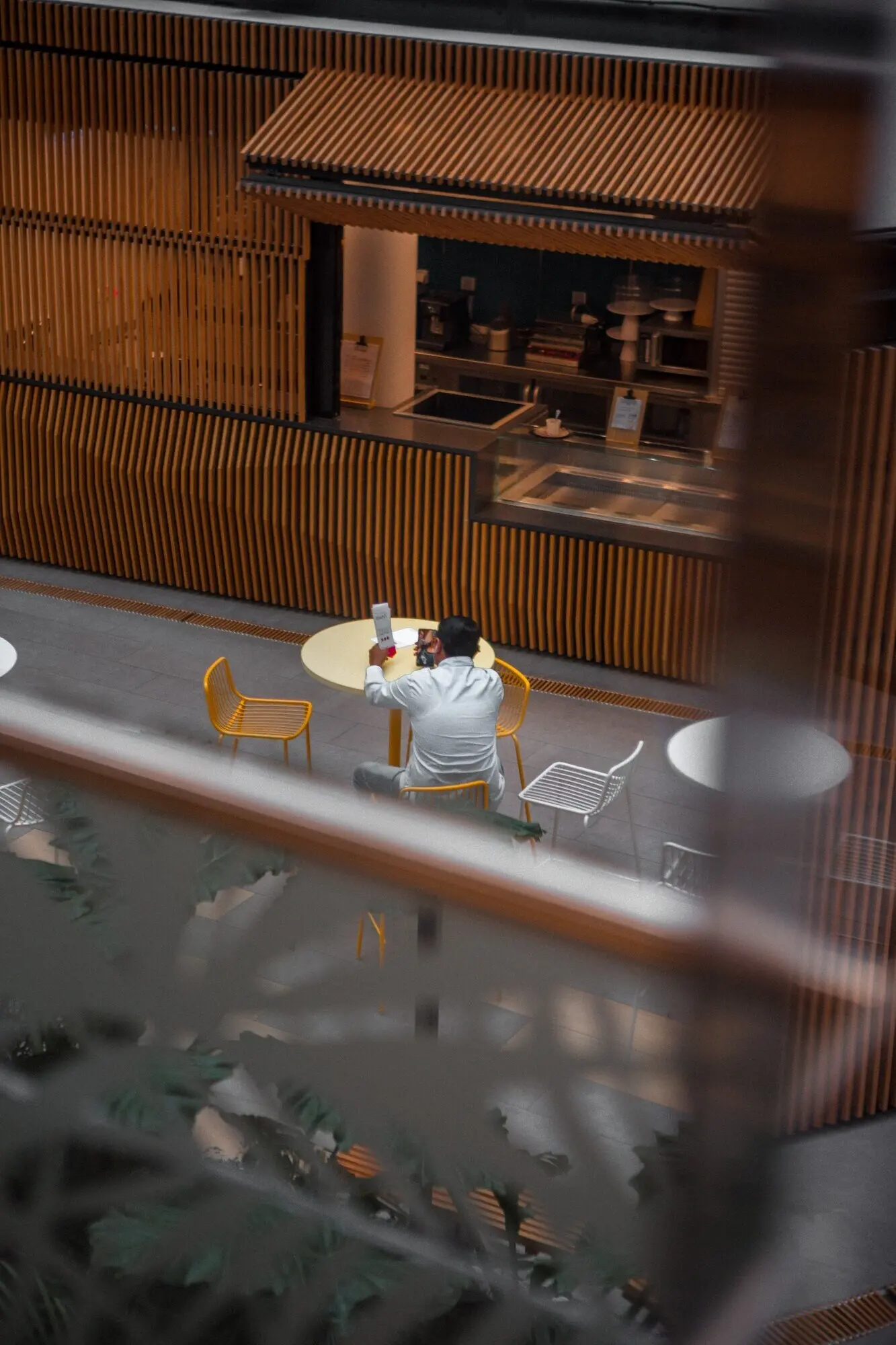
Start with functions you perform daily and choose furnishings that serve those moments beautifully, without unnecessary duplication. A great chair that supports reading, conversation, and laptop work beats three mediocre seats. Measure habits, not just rooms, and invite only pieces that meaningfully participate. The result is a graceful rhythm through your home, where comfort is consistent, surfaces stay open, and the objects you keep are confidently used and genuinely appreciated every single day.
Discreet luxury is tactile, well-proportioned, and softly confident. It invites touch through finishes that warm with use, edges that welcome hands, and fabrics that breathe. Rather than impressing from across the room, it wins you over up close. Think refined joinery, quiet symmetry, and a sense of visual rest. In a capsule approach, this quality multiplies, because nothing competes for attention. Each choice stands steady, encouraging slower moments and deeper appreciation of craft.
Editing is an act of kindness to the eye. Remove items that repeat functions, crowd surfaces, or spark constant micro-decisions. Choose one beautiful side table instead of three. Keep the best, release the rest, and discover how negative space highlights what remains. You’ll find dusting easier, walking calmer, and your attention more generous. The quiet between pieces becomes part of the design, creating a mindful cadence that feels naturally luxurious and deeply restorative.
Aim for a friendly triangle between seating, table, and light. Float the sofa if possible, then anchor with a rug that defines but doesn’t dominate. A client rotated her sofa ninety degrees to face a window, added a slender lamp, and conversations blossomed around the view. The television moved to a swivel arm, used when needed without dictating the layout. Gentle shifts in orientation can transform routines, highlighting comfort and connection over strict media-centered arrangements.
Choose leggy silhouettes to reveal floor area, and use nesting tables for flexible surfaces without permanent bulk. Keep tall storage along one wall to preserve light paths. Mirroring can help, but keep it strategic and soft. We replaced a chunky coffee table with two light stools that roam, and the room felt twice as generous. In a capsule edit, adaptability is gold: pieces should slide between roles without attracting attention, always supporting the day’s changing rhythm gracefully.

Build around three families: a grounding neutral, a gentle contrast, and a living accent that can rotate seasonally through flowers or cushions. Avoid loud, permanent commitment unless it truly thrills you daily. One homeowner traded chaotic cushions for a pair in textured oatmeal and one in deep indigo, and the room instantly steadied. Soft variation within limited hues keeps interest alive without crowding. Your eye can rest, and materials finally share their quiet, nuanced voices gracefully.
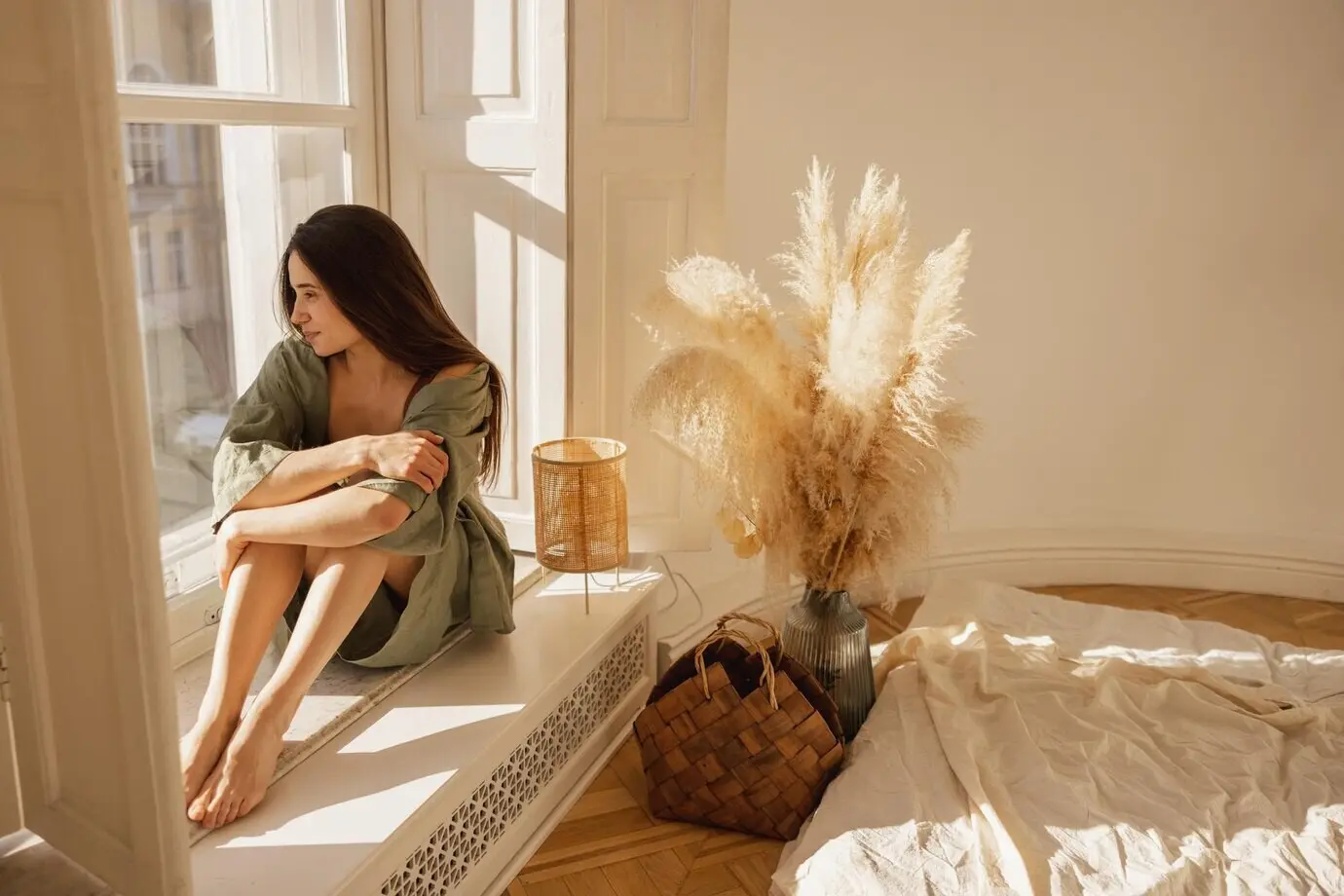
Think ambient, task, and accent. Dim mains, then add table or floor lamps near conversation zones. Use warm temperatures to flatter wood and fabric textures. We replaced a single overhead fixture with a slim floor lamp and two petite table lights, and evenings transformed. Shadows softened, book pages brightened, and the sofa felt inviting. Lighting should choreograph mood without shouting. In a capsule approach, fewer fixtures do more work, guiding attention gently where comfort naturally happens daily.
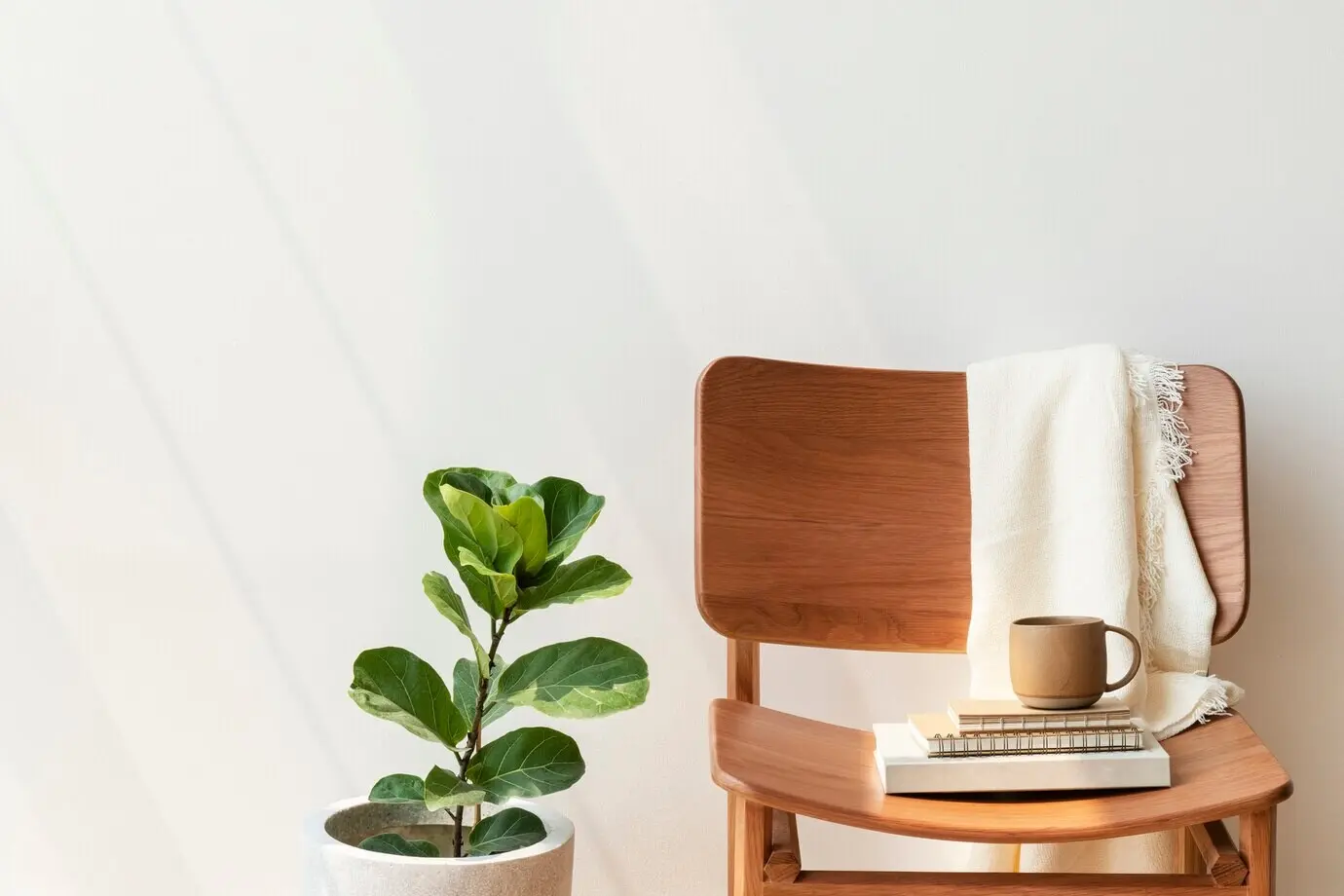
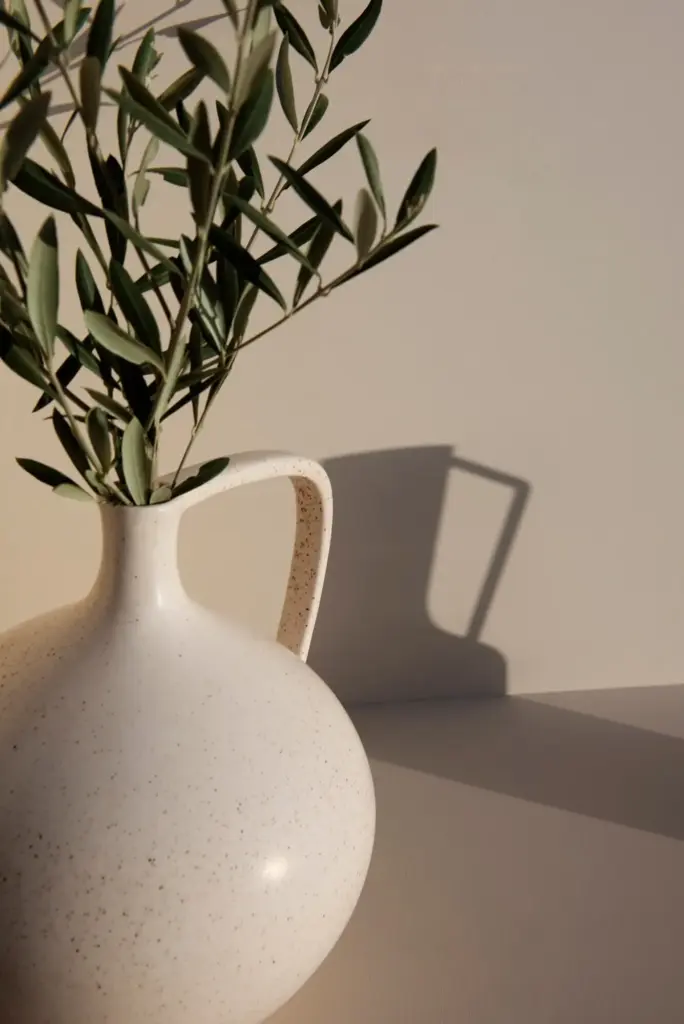
Curate fewer objects with stronger stories. A hand-thrown bowl, a black-and-white photograph from a beloved trip, or a single sculptural branch can anchor a surface meaningfully. Rotate seasonally rather than accumulating endlessly. We helped a client display a tiny collection on a narrow shelf, leaving the rest of the wall open, and the room felt immediately calmer. Objects became conversation starters, not distractions. Purposeful selection aligns with discreet luxury, where beauty emerges from clarity and heartfelt connection.
All Rights Reserved.