


Curate Less, Live More: A Capsule Furniture Collection for Discreet Home Luxury

Today we dive into curating a capsule furniture collection for discreet luxury at home, focusing on clarity, comfort, and pieces that quietly perform. Expect practical frameworks, heartfelt anecdotes, and expert tips to help you assemble a compact set of furnishings that earn their place through timeless aesthetics, enduring craftsmanship, and everyday usefulness. Share your questions, show us your room puzzles, and join the conversation as we refine a considered approach that favors harmony, longevity, and calm over visual noise.

Foundations of a Capsule Edit

A capsule furniture collection begins with intentional limits, a clear sense of how you live, and a preference for calm, tactile richness over spectacle. Define essential activities, identify what truly supports them, and let every piece carry noticeable weight. This approach frees mental space and strengthens your home’s identity. It does not reject beauty; it nurtures it through restraint, honesty of materials, and purpose. Let’s build a base that feels welcoming today and resilient tomorrow.

Essentials Over Excess

Start with functions you perform daily and choose furnishings that serve those moments beautifully, without unnecessary duplication. A great chair that supports reading, conversation, and laptop work beats three mediocre seats. Measure habits, not just rooms, and invite only pieces that meaningfully participate. The result is a graceful rhythm through your home, where comfort is consistent, surfaces stay open, and the objects you keep are confidently used and genuinely appreciated every single day.

Discreet Luxury, Clearly Felt

Discreet luxury is tactile, well-proportioned, and softly confident. It invites touch through finishes that warm with use, edges that welcome hands, and fabrics that breathe. Rather than impressing from across the room, it wins you over up close. Think refined joinery, quiet symmetry, and a sense of visual rest. In a capsule approach, this quality multiplies, because nothing competes for attention. Each choice stands steady, encouraging slower moments and deeper appreciation of craft.

Letting Go of Visual Noise

Editing is an act of kindness to the eye. Remove items that repeat functions, crowd surfaces, or spark constant micro-decisions. Choose one beautiful side table instead of three. Keep the best, release the rest, and discover how negative space highlights what remains. You’ll find dusting easier, walking calmer, and your attention more generous. The quiet between pieces becomes part of the design, creating a mindful cadence that feels naturally luxurious and deeply restorative.

Choosing the Core Pieces

Begin with anchors that set the tone: a sofa with considerate proportions, a dining table that suits both meals and projects, and a bed that genuinely restores you. These investments handle most daily needs and deserve meticulous selection. Consider ergonomics, finish durability, and the way each piece supports changing routines. When core pieces are right, accessories can stay minimal. You’ll spend less time styling and more time living comfortably in a space that breathes and endures.

Materials and Finishes that Whisper Quality

Materials anchor the character of your collection. Prefer honest woods, resilient finishes, and textiles that age gracefully. Choose tones that play well across seasons, avoiding overly shiny or aggressively distressed surfaces. Grain, patina, and touch should tell a consistent story. Plan for maintenance you’ll actually perform. Durable yet gentle materials reduce visual clutter because they don’t demand constant correction. A focused palette of textures invites serenity, celebrating quiet mastery rather than short-lived novelty and momentary spectacle.

Proportion, Layout, and Flow

A considered plan elevates fewer pieces into a complete, livable story. Measure pathways, maintain sightlines, and let breathing room do heavy lifting. Balance furniture heights to avoid visual cliffs. Think of circulation as a gentle river: predictable, calm, and free of obstacles. When pieces align with architecture, the home feels generous even without extras. We’ll explore strategies for living rooms, small spaces, and multifunctional corners that allow each element to shine without crowding or competing for attention.

Living Room: The Conversational Arc

Aim for a friendly triangle between seating, table, and light. Float the sofa if possible, then anchor with a rug that defines but doesn’t dominate. A client rotated her sofa ninety degrees to face a window, added a slender lamp, and conversations blossomed around the view. The television moved to a swivel arm, used when needed without dictating the layout. Gentle shifts in orientation can transform routines, highlighting comfort and connection over strict media-centered arrangements.

Small-Space Strategies that Feel Big

Choose leggy silhouettes to reveal floor area, and use nesting tables for flexible surfaces without permanent bulk. Keep tall storage along one wall to preserve light paths. Mirroring can help, but keep it strategic and soft. We replaced a chunky coffee table with two light stools that roam, and the room felt twice as generous. In a capsule edit, adaptability is gold: pieces should slide between roles without attracting attention, always supporting the day’s changing rhythm gracefully.

Investment Mindset and Responsible Sourcing

A capsule collection thrives when purchasing slows down and discernment speeds up. Buy fewer, better, and understand how pieces are made. Seek repairable designs, transparent materials, and brands that honor labor. Vintage and reissued classics often deliver soulful value with a smaller footprint. Keep a simple ledger of what you truly need next, and allocate budget to durability, not gimmicks. This approach protects the planet and your peace of mind, nurturing a home that ages gracefully.

Styling the Quiet Way

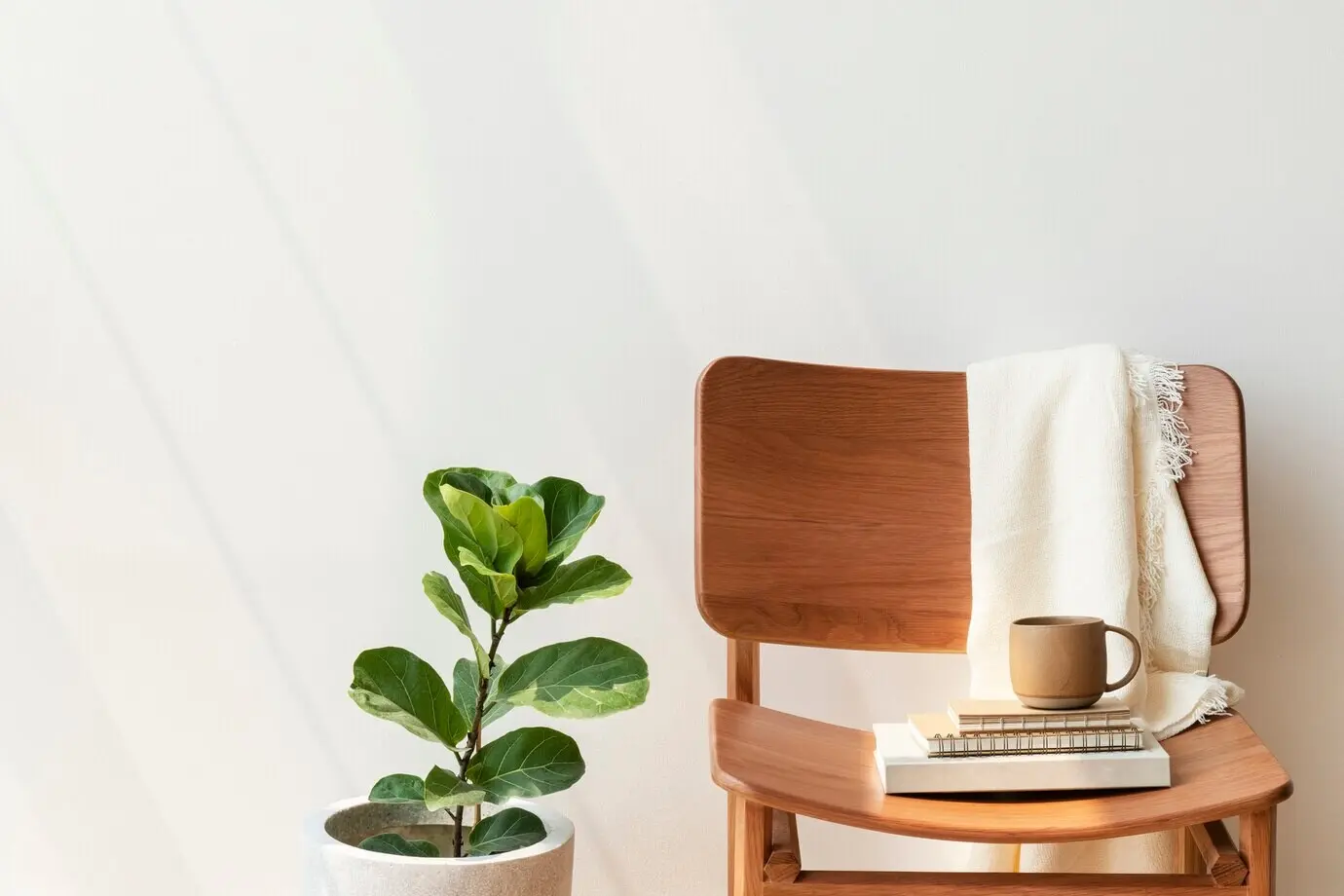
Styling in a capsule home is about celebrating negative space, elevating daily rituals, and letting textures speak softly. Choose a restrained palette, edit decor to meaningful favorites, and allow light to find wood grain and woven fibers. Layer illumination, add tactile blankets, and keep surfaces approachable, not precious. When accessories support function, tidying becomes easy, and your home maintains its calm between busy days. Invite personal expressions that age well, resisting impulse clutter and heavy-handed staging theatrics.

Color Palettes that Soothe

Build around three families: a grounding neutral, a gentle contrast, and a living accent that can rotate seasonally through flowers or cushions. Avoid loud, permanent commitment unless it truly thrills you daily. One homeowner traded chaotic cushions for a pair in textured oatmeal and one in deep indigo, and the room instantly steadied. Soft variation within limited hues keeps interest alive without crowding. Your eye can rest, and materials finally share their quiet, nuanced voices gracefully.
Lighting that Layers with Intention

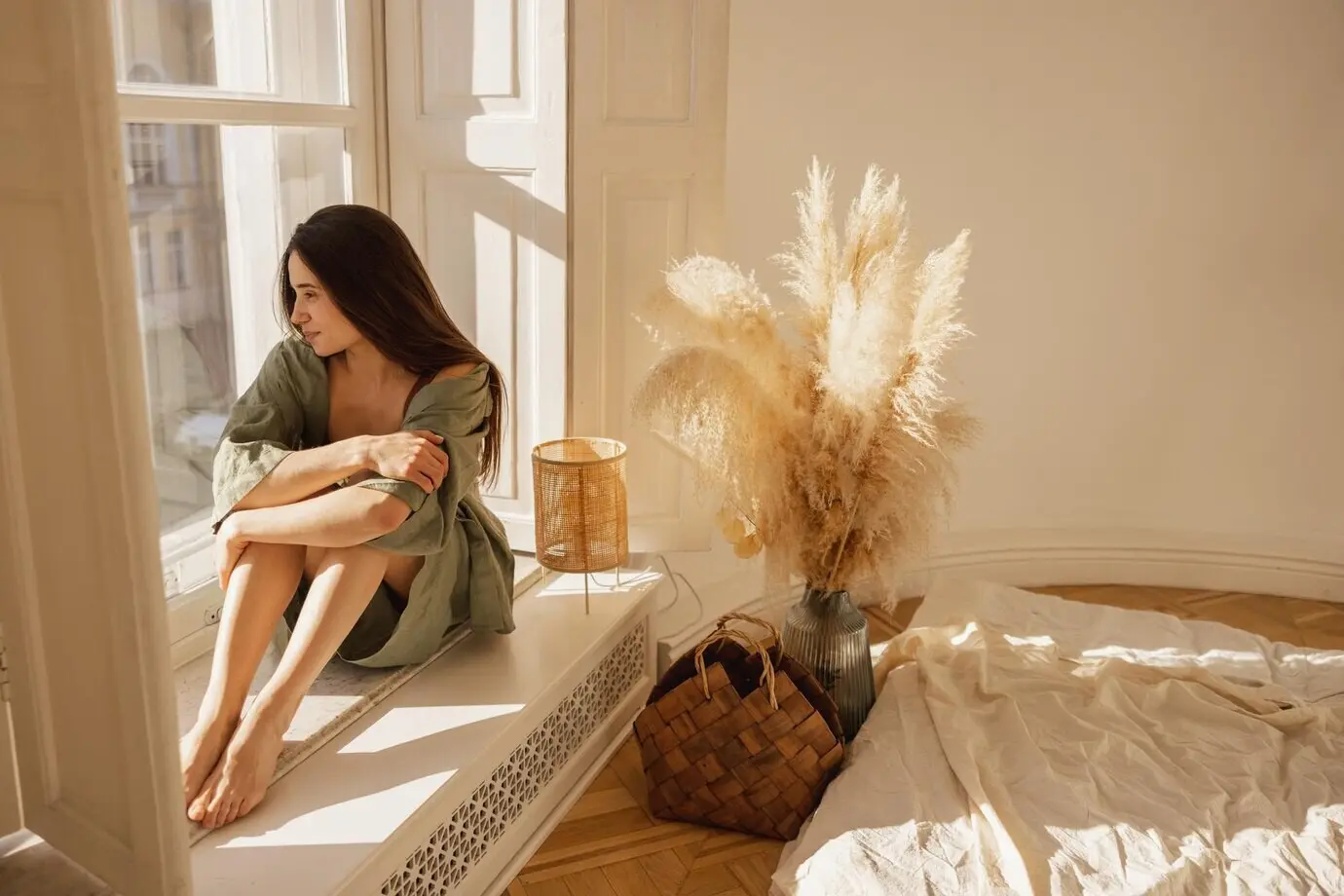
Think ambient, task, and accent. Dim mains, then add table or floor lamps near conversation zones. Use warm temperatures to flatter wood and fabric textures. We replaced a single overhead fixture with a slim floor lamp and two petite table lights, and evenings transformed. Shadows softened, book pages brightened, and the sofa felt inviting. Lighting should choreograph mood without shouting. In a capsule approach, fewer fixtures do more work, guiding attention gently where comfort naturally happens daily.
Art and Objects with Purpose

Curate fewer objects with stronger stories. A hand-thrown bowl, a black-and-white photograph from a beloved trip, or a single sculptural branch can anchor a surface meaningfully. Rotate seasonally rather than accumulating endlessly. We helped a client display a tiny collection on a narrow shelf, leaving the rest of the wall open, and the room felt immediately calmer. Objects became conversation starters, not distractions. Purposeful selection aligns with discreet luxury, where beauty emerges from clarity and heartfelt connection.

Maintenance Rituals You’ll Keep

Set calendar reminders for cushion rotation, fabric vacuuming, and wood oiling. Keep a small kit ready: gentle detergent, microfiber cloths, and felt pads. We watched a reader halve scratches simply by adding pads to chair feet and relocating a plant tray. Maintenance is about tiny, easy wins that compound. When your routine fits life, pieces retain dignity without fuss. A few mindful minutes each month protect texture, color, and structure, preserving the serenity you intentionally created.

Modularity and Future-Proof Choices

Favor modular shelving, tables with leaves, and seating that can rearrange without awkward gaps. A client’s three-piece sofa reconfigured from family movie nights to overnight guests seamlessly, avoiding a bulky sleeper they rarely needed. Modular thinking lets fewer items do more jobs with grace. When you consider future scenarios—home office shifts, hobbies, or moves—you buy smarter and store less. Adaptability is a quiet superpower, keeping your capsule nimble while honoring the calm you value deeply.

Accommodating Life’s Changes with Ease

Life adds pets, children, remote work, and new passions. Choose performance fabrics you actually like to touch, storage that tucks toys without broadcasting them, and tables that forgive markers with gentle finishes. One family swapped a delicate coffee table for a round oak piece and regained spontaneity. The room still felt elegant, just friendlier. Capsule thinking isn’t rigid minimalism; it is humane flexibility. Thoughtful upgrades protect your peace while allowing joy, mess, and memory to flourish naturally.
Huminuvafamomipoxi
Privacy Overview

This website uses cookies so that we can provide you with the best user experience possible. Cookie information is stored in your browser and performs functions such as recognising you when you return to our website and helping our team to understand which sections of the website you find most interesting and useful.